Most people who know me are familiar with my connection to The Natoaganeg Community Food Centre. (see more here: https://righttofood.ca/community-food-centres/natoaganeg-community-food-centre and here: https://www.facebook.com/natoaganegcfc ) I spend most Monday and Wednesday afternoons, plus various other amounts of time, working with the staff there cooking up meals and cooking lessons and other food related activities. It is a rewarding part of my work as a Chef, and allows me to reconcile myself and my life with my country’s poor historical, and present, relationship with the First Nations, Metis and Inuit of Canada. I have a lot more to say about that, but I will keep my focus for now. As part of my role as the Chef on retainer so-to-speak, Right to Food sent me to Iqaluit to work with the Qajuqturvik Community Food Centre in Iqaluit in order to exchange experience and understanding of each others challenges in supporting community through food.
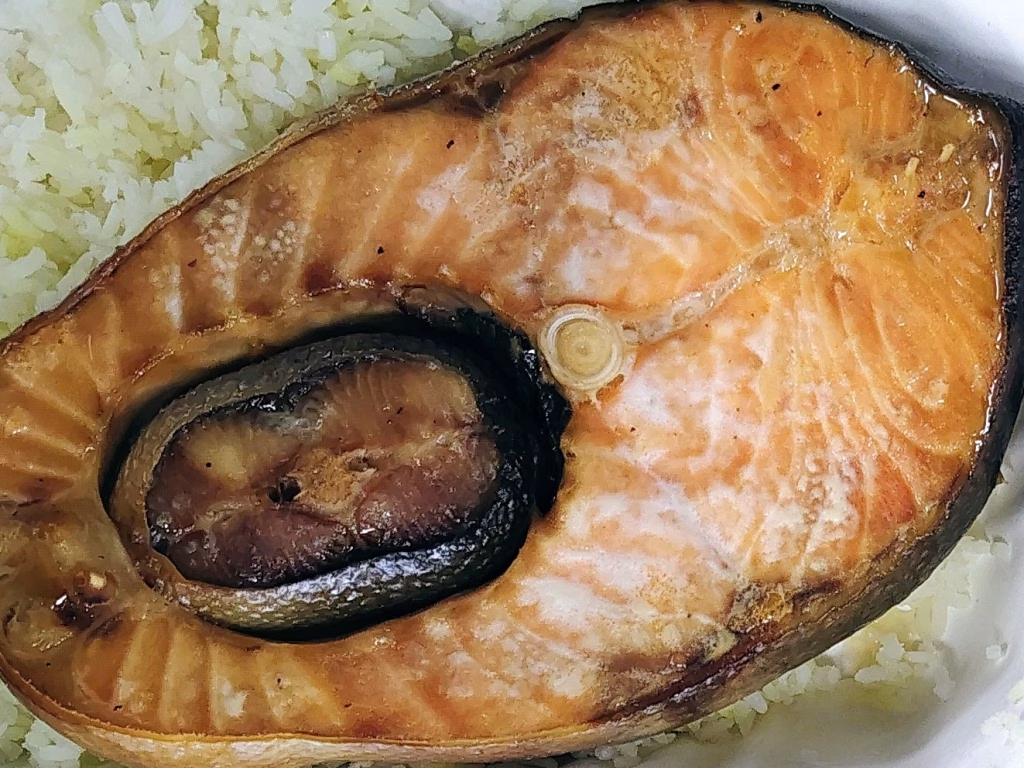
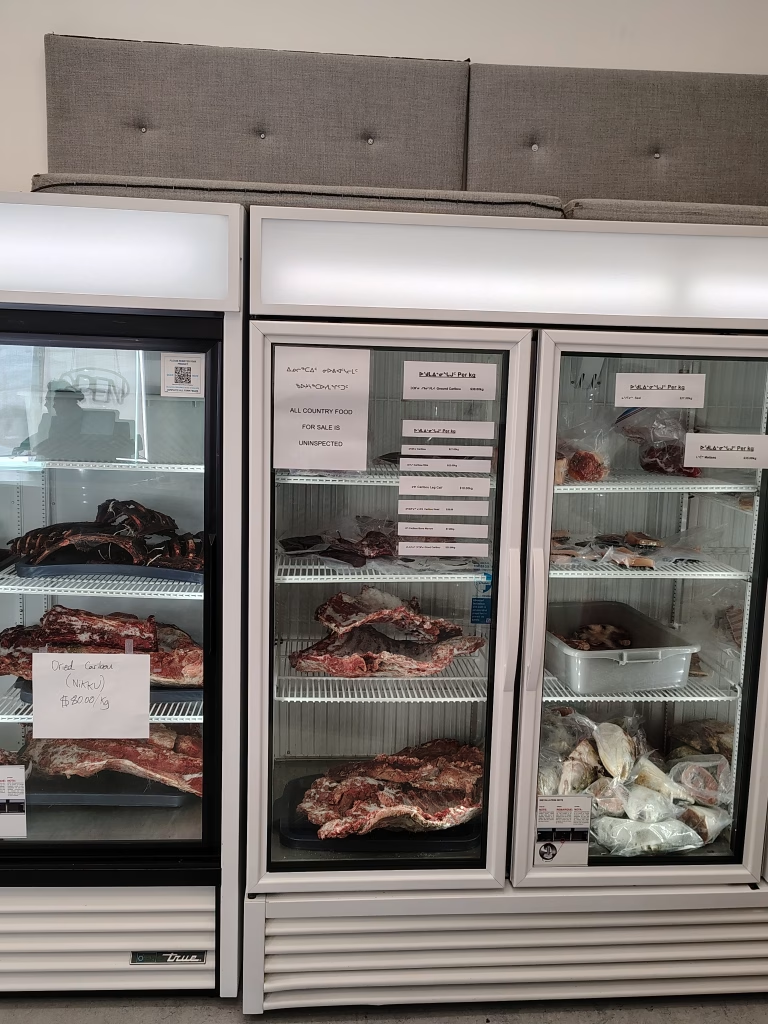
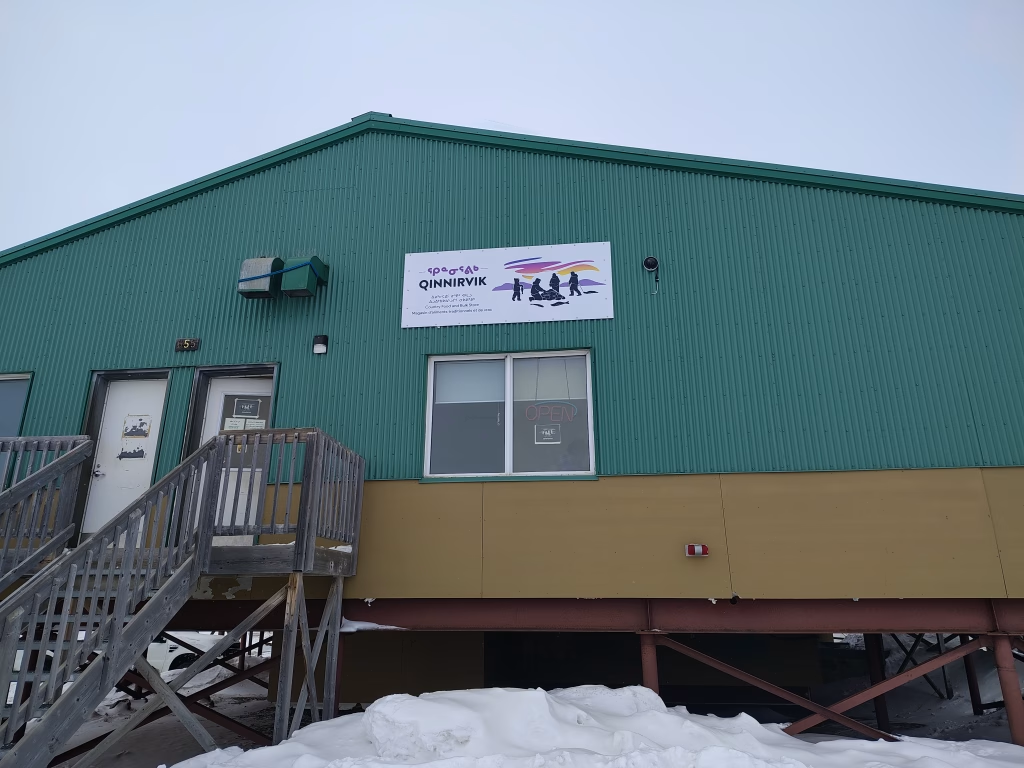
In Nunavut, about 50% of households are food insecure. It costs pretty well twice as much to feed a family of four in Iqaluit as it does in Ottawa. The need is high for the city of 7000 or so, and the QCFC served an average of 365 meals a day, 5 days a week in the first quarter of 2026. They are BUSY. They also put soups, salads and other food out for grab-and-go outside the regular meal service hours, plus a fresh fruit and vegetable box with remarkable variety, plus much more in the way of special events and traditional ways and foods. As such they also serve as a hub for skills development in and out of the kitchen. They host women elders for traditional sewing and crafts every week, an they have a “country food” store, where community can get caribou, arctic char, and other traditional wild foods, literally “nose to tail” cuts prepared by a skilled hunter/fisher/butcher on-site. They host feature multi-course dinners in conjunction with chefs and culinary enthusiasts whose passion for food comes from another culture. They host them in the Food Centre and work with them in the execution of a high quality presentation of their foodways.
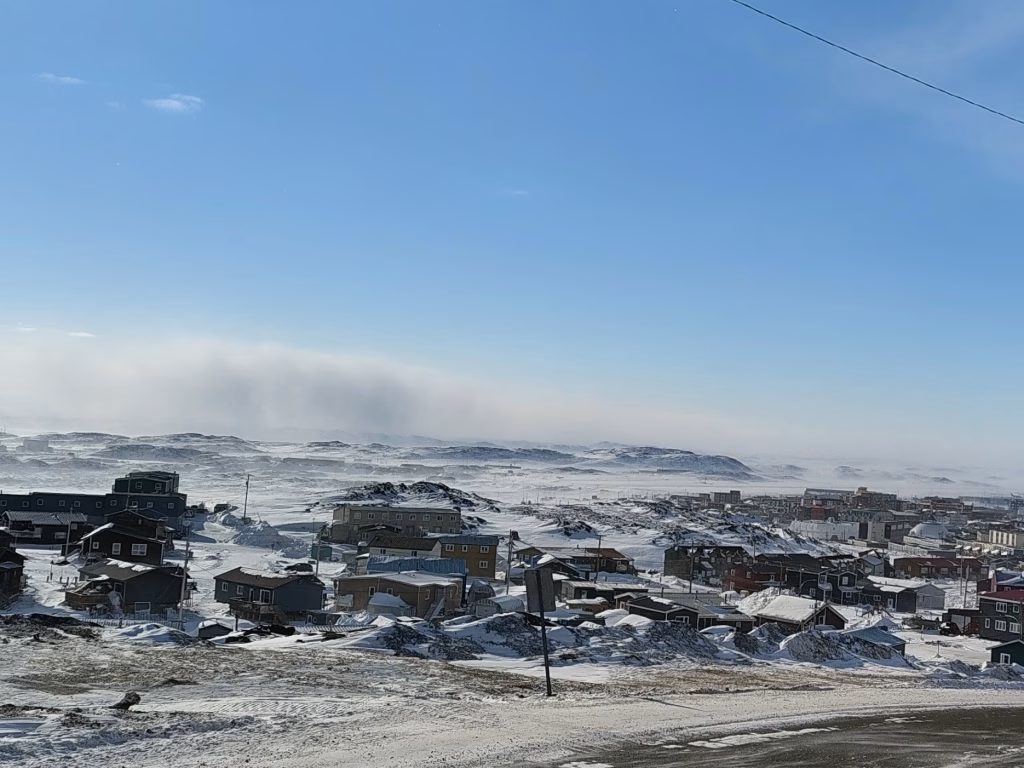
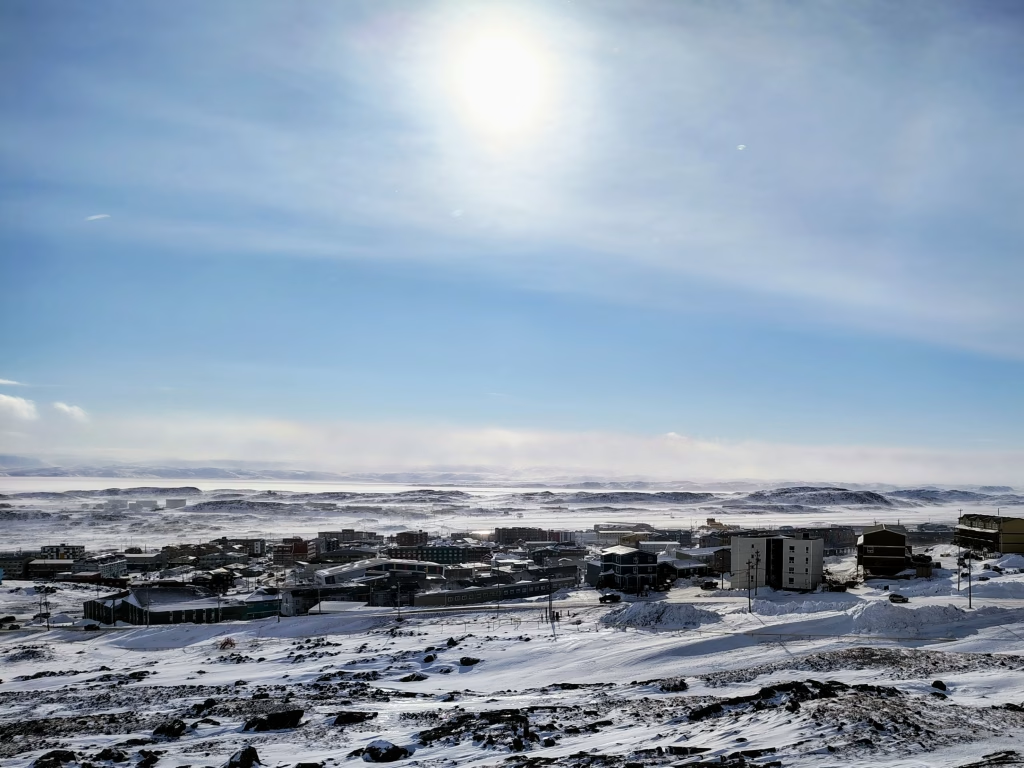
Differences and similarities seem easy to see. Differences like the February-like weather in April, the lack of trees, and soil for that matter, the necessary styles of construction, and the bright colours of the housing, and the snowmobiles and short-legged dogs everywhere. Similarities were like the connection to the land and water, like the multi-culturalism, surprisingly, and like the fact that the city has it’s poor, middle, and moneyed areas, (although the money is far less obvious ). Those with less ability to survive here need support like anywhere else. But they can’t huddle up outside in a tent or whatever for most of the year. They can’t stand outside and panhandle. AS well, everything costs so much more, especially as foreign governments drive up the cost of fuel, adding to transportation costs. Seacans are getting emptier. Open water is still a few months away to bring in replenishments. Bringing in food, ie. fresh, is expensive enough let alone with a solid spike in jetfuel. As well, predicting the amount of need for the year, upward I’m sure, will be a challenge. They can only bring in so much to last from November until June 2027. A remarkable challenge that gets met by the Food Centre and the restaurants and stores every year.
I learned some things about process, the flow of the day, the use of EVERYTHING ( nothing is wasted ), but those are Chef things. The human things are that even in the most hard-to-exist areas of our TRULY VAST country, people work out how to best help those who struggle make it through the day, week, on to another month. I’ll be seeing a few of my new friends in Toronto next week for a few days, where people from North, South ( not too far South ), East and West will gather to talk about these same things, and much more that I generally don’t, as a Chef, get involved in. https://righttofood.ca will illuminate what the organization does, where it does it, and where it came from, and most importantly, why it’s there to begin with. We Canadians travel lots, maybe not enough to the regions of the country that don’t have beach resorts. To that point, on my flight back I sat with a coroner from Hong Kong who spent a lot of time and money to see polar bars, from a safe distance, in the wild, in Nunavut, Canada. Her shots of a mother bear and cubs were National Geographic worthy. Anyway, I was in Iqaluit to understand the people who live there, how they live, and how people are supported by food. When your duty is feeding people, you have to know people-who are you feeding, and why -whether it’s a wedding celebration or those in the community who just need help in the form of a nutritious, tasty, meal. At QCFC, they seem to have that down, it’s a matter of keeping up. Supplies, skilled hands, and resources- money is one -are trickier to manage in places far from the sources of these things.
I’m impressed.